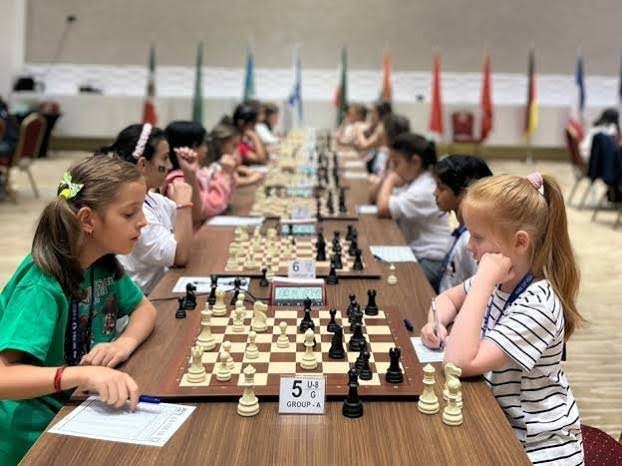


BATUMI, GEORGIA — As the FIDE World Cadet U8, U10, and U12 Championships 2026 enter their decisive final rounds in Batumi (November 21–29), the event stands as a flagship milestone for the FIDE Planning and Development Commission (PDC) and its strategic mission to build sustainable, inclusive youth chess pathways worldwide.
Hosted by the International Chess Federation (FIDE) alongside the Georgian Chess Federation, the 2026 championship debuts a restructured 48-player elite format—bringing together eight finalists across each of the six Open and Girls divisions (Under 8, Under 10, and Under 12). Designed to align top-level youth competition with long-term federation development, the tournament ensures young talents from emerging chess regions compete on equal footing with established chess nations.
Expanding Access Through Continental Qualification
A central pillar of the FIDE PDC’s mandate is lowering financial and structural barriers for developing federations while fostering balanced regional growth. The 2026 World Cadet qualification system directly reflects these development priorities:
- Guaranteed Global Representation: Four of the eight spots in every category are allocated directly to FIDE’s continental federations—Africa, the Americas, Asia, and Europe—ensuring geographic diversity and giving rising players from developing chess nations direct access to world championship experience.
- Merit-Based Progression: Three spots per category were earned through the inaugural FIDE World Cadets Cup U8–U12 (held in Batumi in June 2026), rewarding sustained competitive progress across the calendar year.
- Host Federation Investment: One spot per category is reserved for the host Georgian Chess Federation, incentivizing local federation capacity-building and domestic youth investment.
Raising Standards for Grassroots Talent
Beyond the chessboard, the Batumi championships reinforce the PDC’s broader 2026 development framework—which channels funding and technical support into national federation youth academies, arbiter and trainer education, and inclusive participation for girls in chess. By placing 24 girls and 24 open-section players into identical 7-round classical round-robin formats (90 minutes plus a 30-second increment per move), the championship provides young athletes with high-level competitive seasoning essential for transitioning into the junior and senior ranks.
The final rounds conclude on November 28, followed by the closing and awards ceremony on November 29, where the top three finishers in each division will receive official FIDE Championship cups, medals, diplomas, and prizes.